%2Ffit-in%2F250x250%2Fguide_websites%2F35153%2Fimages%2F1769690653555lowkeywestfishing-logo-web.jpg&w=1920&q=100)
Tarpon Fishing in Key West Florida Waters
Tarpon Fishing in Key West - What to Expect
%2F%2Fusers%2F173785ad-0e26-47b7-856d-ecb87251c61f%2Fimages%2Fkey-west-tarpon-boat-encounter-2571.jpeg&w=1920&q=75)
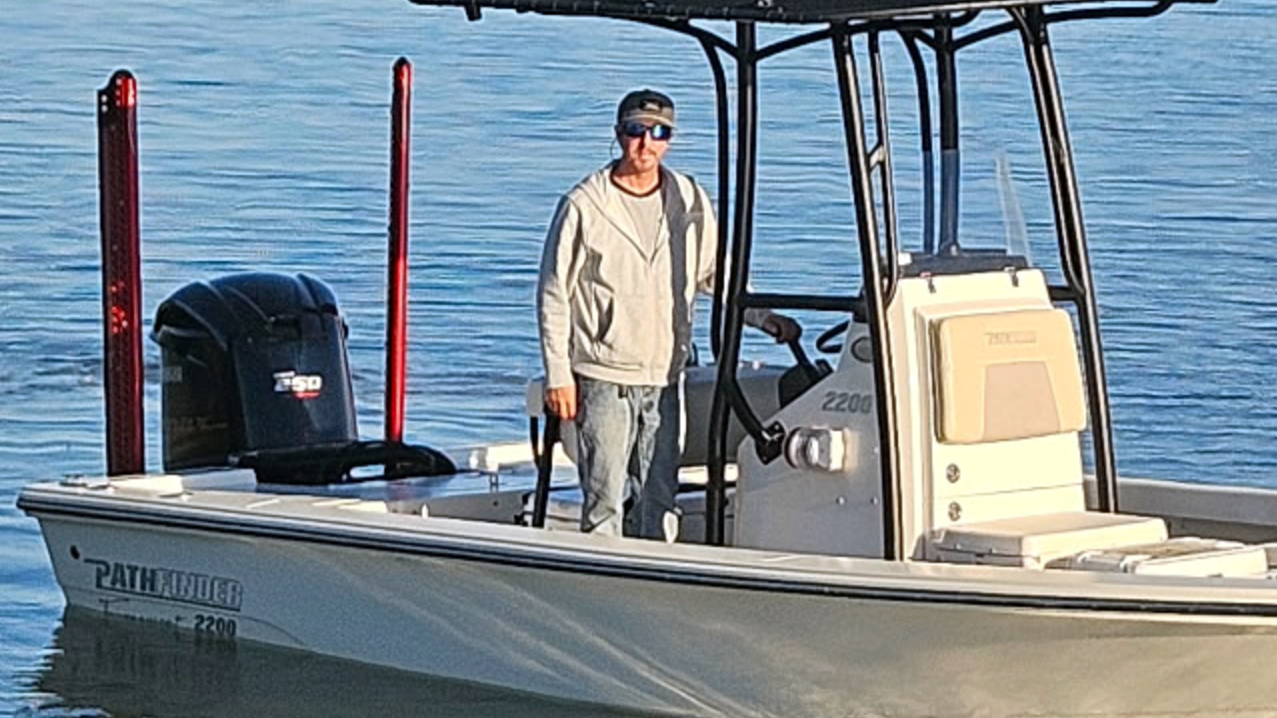
Fishing Charter by Captain Todd Malicoat in October
- Tarpon & Shark Action in Key West Waters


Summary
Join Captain Todd Malicoat of Talking Dog Fishing on a Thursday in October for a fishing charter targeting tarpon in Key West's coastal waters. These powerful silver fish are sought by anglers worldwide, and Key West's shallow flats and deep channels provide ideal conditions for pursuing them. Learn proper techniques, understand tarpon behavior, and experience the thrill of hooking one of the ocean's most acrobatic fighters.
Fishing Charter with Captain Todd Malicoat - Rates & Booking
Captain Todd Malicoat of Talking Dog Fishing operates fishing charters on Thursday in October, specializing in tarpon pursuits throughout Key West waters. To reserve your charter and discuss rates, contact Talking Dog Fishing directly for availability and package details.
Highlights of Tarpon Fishing in Key West
Key West offers exceptional tarpon fishing opportunities due to its unique geography and seasonal abundance. The combination of shallow flats, deep channels, and mangrove-lined shorelines creates diverse habitats where tarpon congregate year-round. Fall months bring strong populations closer to Key West, making October an excellent time to target these magnificent fish.
Tarpon are known for their dramatic runs, explosive jumps, and powerful head shakes when hooked. The silver-sided giants can reach lengths exceeding 150 pounds, demanding skill, patience, and proper technique. Fishing for tarpon teaches anglers about tide cycles, current patterns, and reading water conditions - essential skills that transfer to other saltwater species.
Understanding Tarpon and Key West's Fishing Environment
Tarpon are migratory predators that inhabit coastal waters from Texas to Florida and beyond. They are air-breathers, possessing a swim bladder that allows them to gulp air at the surface - a behavior anglers use to locate them. In Key West, tarpon navigate through mangrove channels during incoming tides, cruise shallow flats while hunting mullet and other prey, and stage in deeper holes during low tide.
The fish are primarily sight-fished, meaning anglers spot them visually and present baits or lures accordingly. This requires polarized sunglasses, sharp observation skills, and understanding how light angles affect visibility. Morning and late afternoon sessions typically offer the best visibility, though tarpon can be encountered throughout the day.
Key West's waters span from mangrove-ringed backcountry areas to open ocean channels. The shallow flats average 2-6 feet deep, making them ideal for wading or poling skiffs. Deeper channels 20-40 feet down hold tarpon during tide changes and serve as transition routes between feeding grounds. Water clarity varies seasonally, but Key West generally maintains good visibility compared to many Florida destinations.
Tarpon feed opportunistically on fish - mullet, sardines, mackerel, and jacks are primary prey. Successful anglers match bait size and color to natural forage. Live bait presentations allow for natural movement and scent dispersal. Cut bait remains effective during tide changes when smell becomes more important than sight. Artificial lures work when tarpon are actively feeding, though live bait typically produces more consistent results.
Understanding tide cycles is crucial for tarpon success. Incoming tides push tarpon into shallow areas to feed, while outgoing tides concentrate them in deeper channels. Peak feeding windows occur 1-3 hours after the tide starts moving, when tarpon actively hunt. Learning to read tide predictions and local nuances separates successful anglers from novices.
The fight itself requires specialized knowledge. Tarpon's bony mouth structure makes setting hooks challenging - anglers must use circle hooks, maintain steady pressure, and avoid slack lines. The acrobatic head shakes and runs test tackle and nerves alike. Many tarpon are lost to broken lines or straightened hooks, teaching humility and respect for the species.
Captain Todd Malicoat's experience navigating Key West's waters, reading seasonal patterns, and understanding tarpon behavior provides an educational advantage. A skilled guide positions anglers properly, identifies promising locations, and teaches technique refinement throughout the charter.