%2Ffit-in%2F250x250%2Fguide_websites%2F35153%2Fimages%2F1769690653555lowkeywestfishing-logo-web.jpg&w=1920&q=100)
/users/173785ad-0e26-47b7-856d-ecb87251c61f/ratecard/img_50862-mjpwt5tk.jpg)
%2F300x300%2Fusers%2F173785ad-0e26-47b7-856d-ecb87251c61f%2Fratecard%2Fimg_50862-mjpwt5tk.jpg&w=256&q=75)
%2F300x300%2Fusers%2F173785ad-0e26-47b7-856d-ecb87251c61f%2Fimages%2Ftarpon-caught-florida-3523.jpg&w=256&q=75)
%2F300x300%2Fusers%2F173785ad-0e26-47b7-856d-ecb87251c61f%2Fimages%2Ffishing-key-west-3512.jpg&w=256&q=75)
%2F300x300%2Fusers%2F173785ad-0e26-47b7-856d-ecb87251c61f%2Fimages%2Fgrey-snapper-fishing-key-west-2767.jpg&w=256&q=75)
%2F300x300%2Fusers%2F173785ad-0e26-47b7-856d-ecb87251c61f%2Fimages%2Fbest-great-fishing-key-west-2725.jpeg&w=256&q=75)
%2F300x300%2Fusers%2F173785ad-0e26-47b7-856d-ecb87251c61f%2Fimages%2Fbull-shark-fishing-florida-2644.jpeg&w=256&q=75)
%2F300x300%2Fusers%2F173785ad-0e26-47b7-856d-ecb87251c61f%2Fimages%2Ffishing-fun-key-west-2972.jpg&w=256&q=75)
%2F300x300%2Fusers%2F173785ad-0e26-47b7-856d-ecb87251c61f%2Fimages%2Ffishing-in-florida-2972.jpg&w=256&q=75)
%2F300x300%2Fusers%2F173785ad-0e26-47b7-856d-ecb87251c61f%2Fimages%2Ffishing-fun-in-fl-2984.jpg&w=256&q=75)
%2F300x300%2Fusers%2F173785ad-0e26-47b7-856d-ecb87251c61f%2Fimages%2Ffishing-escapades-key-west-3105.jpg&w=256&q=75)
%2F300x300%2Fusers%2F173785ad-0e26-47b7-856d-ecb87251c61f%2Fimages%2Ffishing-fun-in-florida-2906.jpg&w=256&q=75)
Premier Key West Shark Fishing | 3-Hour Charter
 Key West
What you will be catching:
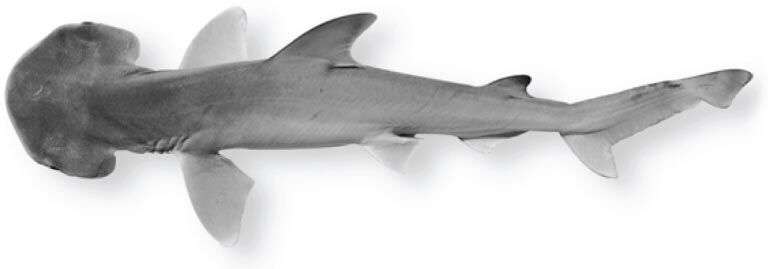
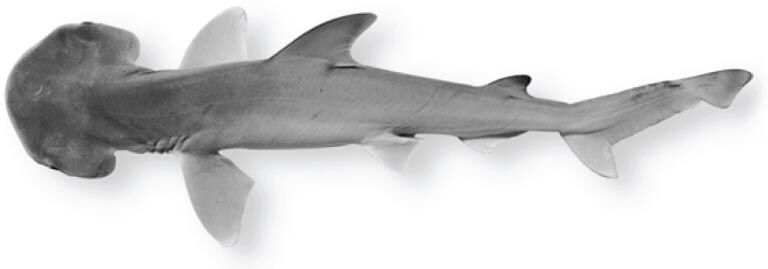 Bonnethead Shark
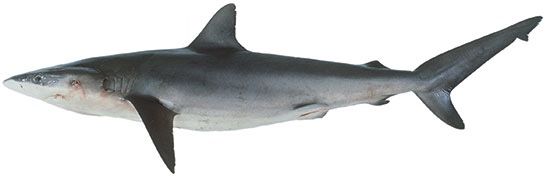 Bull Shark
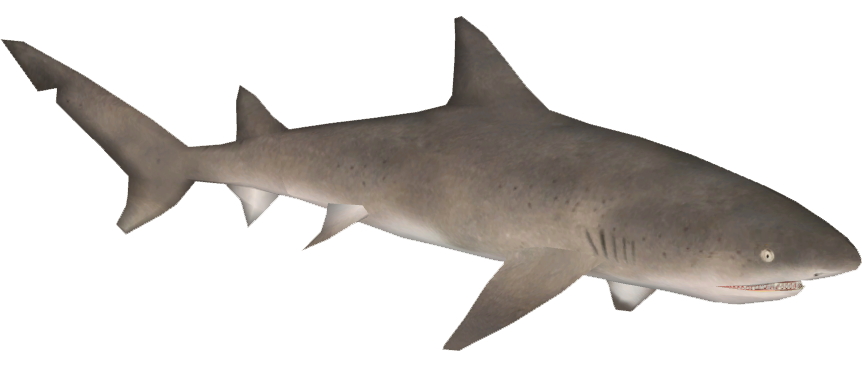 Lemon Shark
- 3-hour morning charter targeting bull sharks and hammerheads
- Expert guides provide all equipment and local fishing knowledge
- Accommodates up to 4 anglers with optimal morning conditions
Trip Pricing and Availabilities:
Key West Shark Fishing | 3 Hour Morning Charter
Looking for some serious action on the water? Our 3-hour shark fishing charter puts you face-to-face with some of Key West's most powerful predators. Starting at 8 AM, you'll beat the heat and crowds while targeting some of the biggest sharks these waters have to offer. This isn't your typical backcountry trip – we're going after the heavy hitters that call the deeper flats and channels home. Whether you've never felt the raw power of a shark on the line or you're chasing your next personal best, our experienced guides know exactly where to find them and how to get you hooked up.
What to Expect on the Water
We kick off bright and early at 8 AM when the water's still calm and the sharks are actively hunting. You'll head out on our well-equipped flats boat that comfortably handles up to 4 anglers, giving everyone plenty of room to fight these beasts without getting tangled up. The morning bite is absolutely prime time for shark action – they're aggressive, hungry, and cruising the shallows looking for an easy meal. Our guides will position you over prime feeding areas where the bottom structure and current create perfect ambush spots. The scenery alone is worth the trip, but when you feel that first powerful run strip line off your reel, you'll understand why shark fishing has become such a customer favorite here in Key West. We provide all the heavy tackle you'll need, plus fresh bait that these predators can't resist.
Tackle and Techniques
Shark fishing requires serious gear, and we've got you covered with top-rated heavy action rods paired with high-capacity reels spooled with plenty of line. We're talking 50-80 pound test setups that can handle the initial screaming runs and sustained fights these fish are famous for. Our guides use a mix of live bait and fresh-cut chunks depending on what the sharks are keying in on that day. Circle hooks are the standard – they're safer for both you and the fish, and they drastically improve your hookup ratio. We'll set you up with wire leaders that can withstand those razor-sharp teeth, and show you the proper technique for setting the hook and fighting these powerful fish. The key is letting the shark take the bait and run with it before engaging the drag. These aren't finesse fish – once you're hooked up, it's all about keeping steady pressure and letting the fish tire itself out. Our shallow water approach means you'll see a lot of the action happening right near the surface, which adds a whole different level of excitement to the fight.
Species You'll Want to Hook
Bonnethead sharks are often the most cooperative species you'll encounter on our morning charters. These smaller members of the hammerhead family typically run 2-4 feet and are absolutely perfect for first-time shark anglers or kids who want to experience the thrill without getting completely overpowered. They're year-round residents in our shallow flats and grass beds, feeding heavily on crabs, shrimp, and small fish. What makes bonnetheads special is their aggressive feeding behavior – they'll absolutely crush a bait and give you multiple hookup opportunities. They're also one of the few shark species that's actually omnivorous, feeding on seagrass along with their typical prey. The fight is fast and furious, with plenty of jumps and surface action that makes for great photos.
Lemon sharks are the true heavyweights of our shallow water shark fishing, often reaching 6-8 feet and providing some of the most memorable battles you'll ever experience. These golden predators are perfectly adapted to our warm, shallow waters and can be found cruising the flats year-round, though spring and summer offer the most consistent action. What sets lemons apart is their intelligence and wariness – they'll often circle a bait multiple times before committing, which creates this amazing tension as you watch them decide whether to strike. Once hooked, they're known for powerful runs that can strip 100+ yards of line in seconds, followed by dogged fights that can last 20-30 minutes. Lemons are also one of the few shark species that return to the same nursery areas year after year, which means our guides know exactly where to find them based on the season and tides.
Bull sharks represent the apex of our shark fishing experience – these stocky, aggressive predators are pound-for-pound some of the strongest fish in our waters. Running anywhere from 4-7 feet on average, bulls are famous for their incredible bite force and their willingness to eat just about anything. They're most active during the warmer months from April through October, but we see them year-round in Key West's consistently warm waters. What makes bull shark fishing so addictive is their unpredictability – they might slam a bait immediately or follow it for several minutes before striking. Once hooked, they're known for incredibly powerful runs combined with aggressive head-shaking that tests both your tackle and your skills as an angler. Bulls also have this habit of making sudden directional changes during the fight, which keeps you on your toes throughout the entire battle.
Time to Book Your Spot
This 3-hour morning charter delivers world-class shark fishing action without eating up your entire day in Key West. You'll be back at the dock by 11 AM with plenty of time to grab lunch and explore everything else the island has to offer. Our experienced guides know these waters inside and out, and they're dedicated to putting you on fish while ensuring everyone has a safe, exciting time on the water. The morning timing means cooler temperatures, calmer seas, and more active sharks – it's really the perfect setup for both experienced anglers and newcomers to the sport. With space for up to 4 people, it's ideal for small groups, families, or couples looking to share an adventure they'll be talking about for years. Don't wait – our morning shark trips book up fast, especially during peak season when the fishing is at its absolute best.
Learn more about the animals
Bonnethead Shark
The smallest of the hammerheads, bonnetheads run 3-4 feet and have that distinctive shovel-shaped head that sets them apart. These guys are pretty mellow compared to other sharks - shy, harmless, and they travel in small schools of 10-15 fish. You'll find them in shallow waters around Key West year-round, but they're most active during warmer months when they cruise the flats and nearshore areas feeding on crabs and small fish. What makes them fun to target is their scrappy fight for their size and the fact they're great for first-time shark anglers. They put up a solid battle without being too intimidating. My go-to tip: use fresh blue crab cut in half with the hook through one of the legs. That natural scent drives them crazy and they can't resist it.
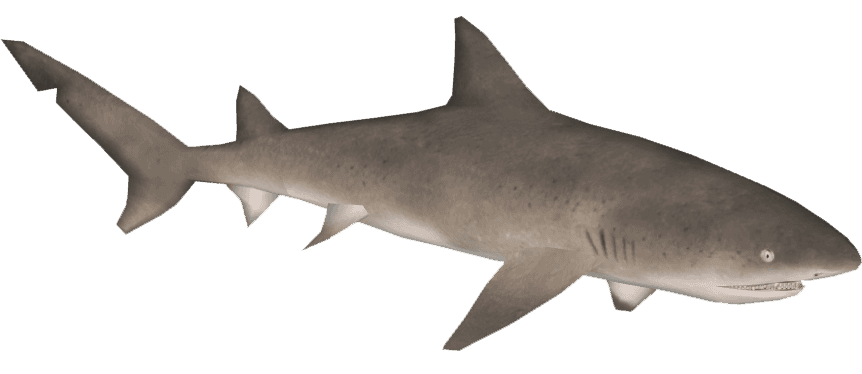
Bull Shark
Bulls are the bruisers of Key West - thick, powerful sharks that average 8-10 feet and fight like freight trains. These aggressive predators love our shallow coastal waters and can handle everything from full saltwater to brackish areas around mangroves. Summer through fall gives you the best shot when they're most active in our warmer waters. What makes bulls special is their raw power and attitude - they'll grab your bait hard and make long, bulldog runs that'll have your arms burning. They're not picky eaters either, which makes them great targets for newer shark anglers. The local secret that works every time: fresh eel if you can get it. The oil content drives them nuts. Otherwise, cut barracuda or mackerel works well. Keep your drag loose on the initial run - they'll snap you off if you try to stop them too early.
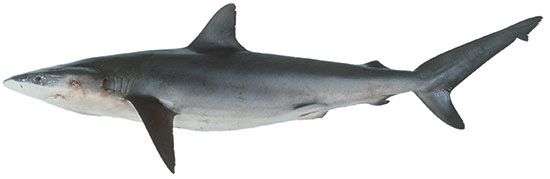
Lemon Shark
Lemon sharks are some of the most reliable fighters we see in Key West waters. These yellow-tinted beauties typically run 6-8 feet and pack serious muscle. They love our shallow flats and mangrove areas, especially during spring and summer when water temps climb. You'll often spot them cruising in 10-20 feet of water around structure like wrecks or ledges. What guests love about lemons is their aggressive strike and powerful runs - they'll test your drag and give you a real workout. They're also curious sharks that respond well to chumming. The key trick I've learned over the years is using live bait on a circle hook with minimal weight. Let that bait swim naturally in the current and lemons will track it down. Their keen sense of smell makes fresh cut bait work great too.
About the Pathfinder 2200 TE
%2F%2Fusers%2F173785ad-0e26-47b7-856d-ecb87251c61f%2Fvehicle_picture%2F---------nana5-2-mkmq0yya.png&w=1920&q=75)
Vehicle Guest Capacity: 4
Manufacturer Name: Yamaha
Maximum Cruising Speed: 33
Number of Engines: 1
Horsepower per Engine: 250